How To Frame Your Art
The Art Of Framing
Interior Notes
You have carefully selected and invested both time and money into the art that you want in your home. Whether it was love at first sight or if you have spent hours researching colour palettes and the history of the artist: Your art deserves a proper display.
Take your time to consider what you want. A great place to start is to read through our guide on how to choose a frame and where to hang your art pieces. Framing your art is not only a question of showcasing your pieces — it is also a matter of preserving your art.
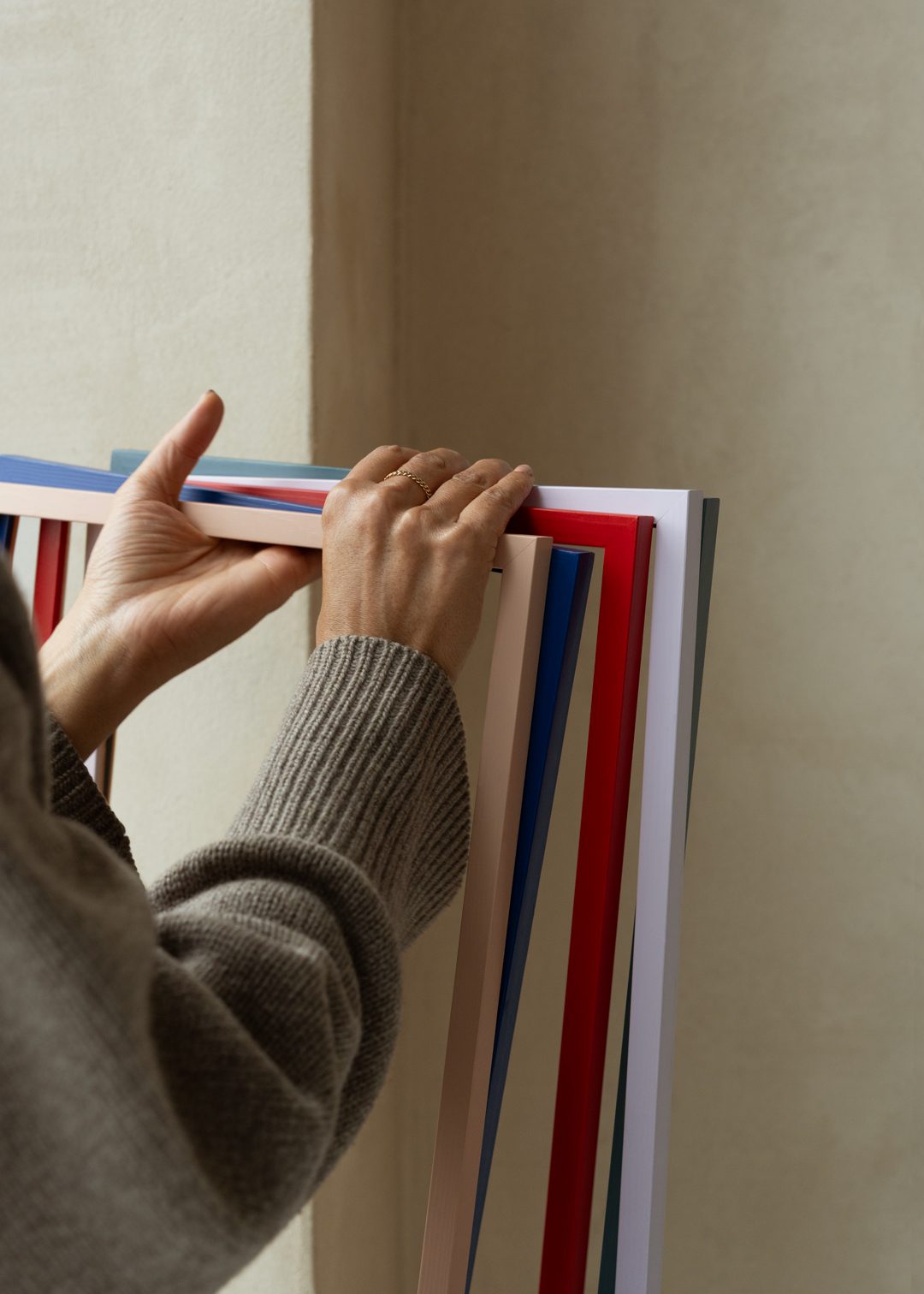
Frame Of Choice
Choosing the artwork is often the most exciting part – but how you frame your art matters just as much. The right frame not only allows you to display your piece beautifully, it also protects it over time.
Start by considering how the frame works with the artwork. It should enhance the colours and motif, not compete with them.
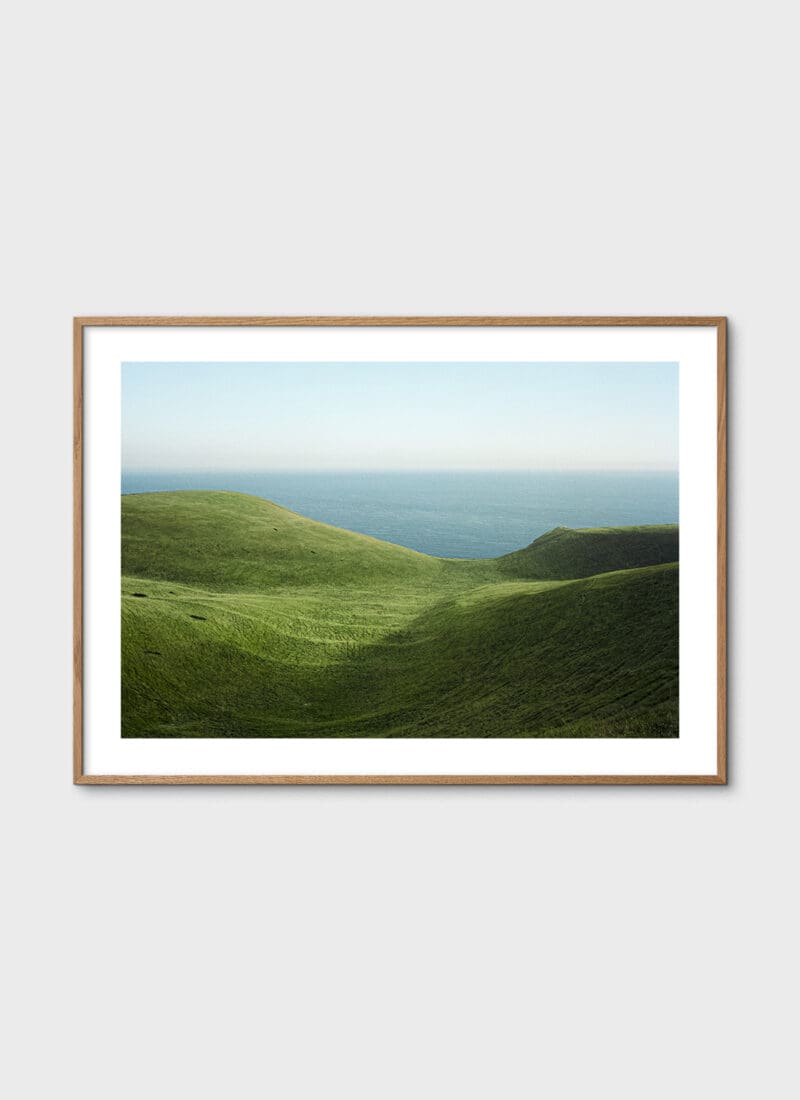
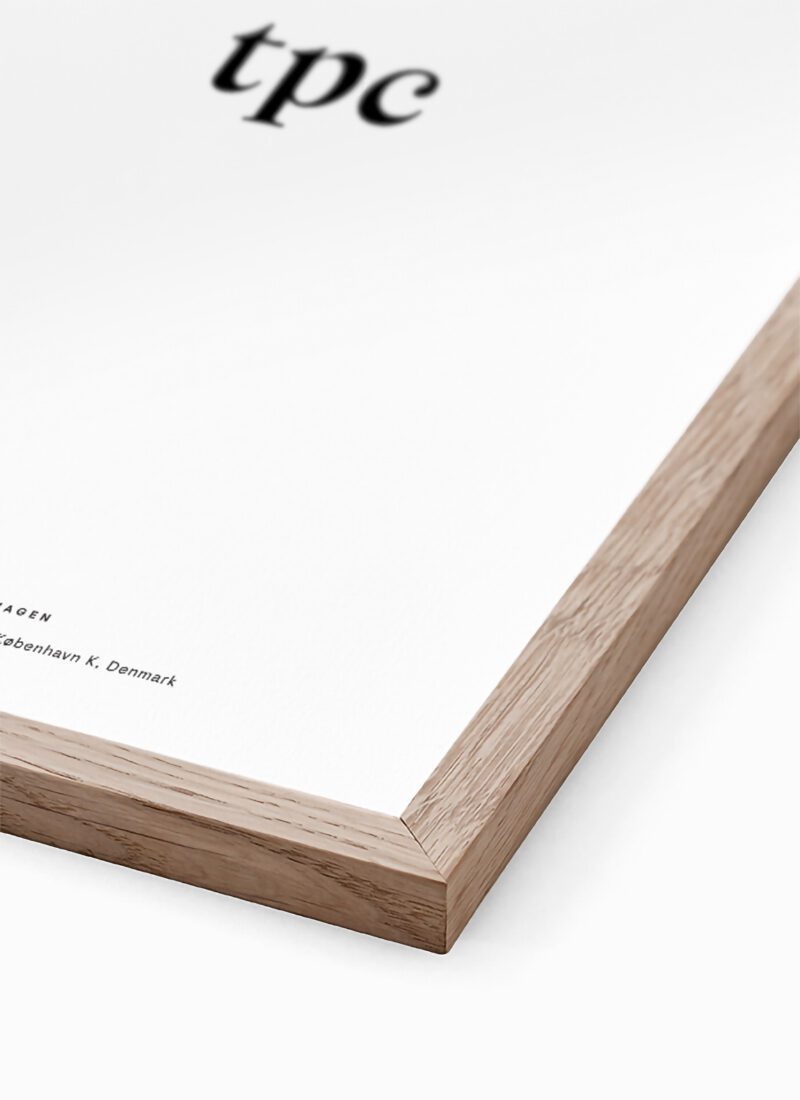
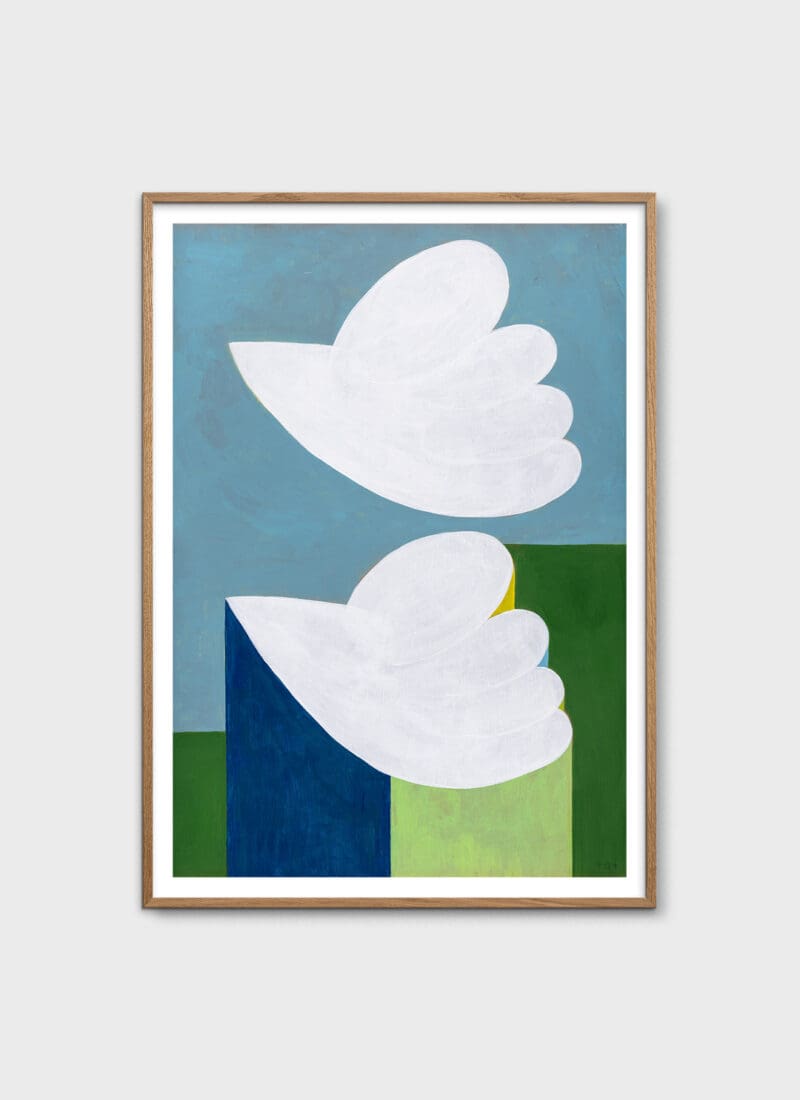
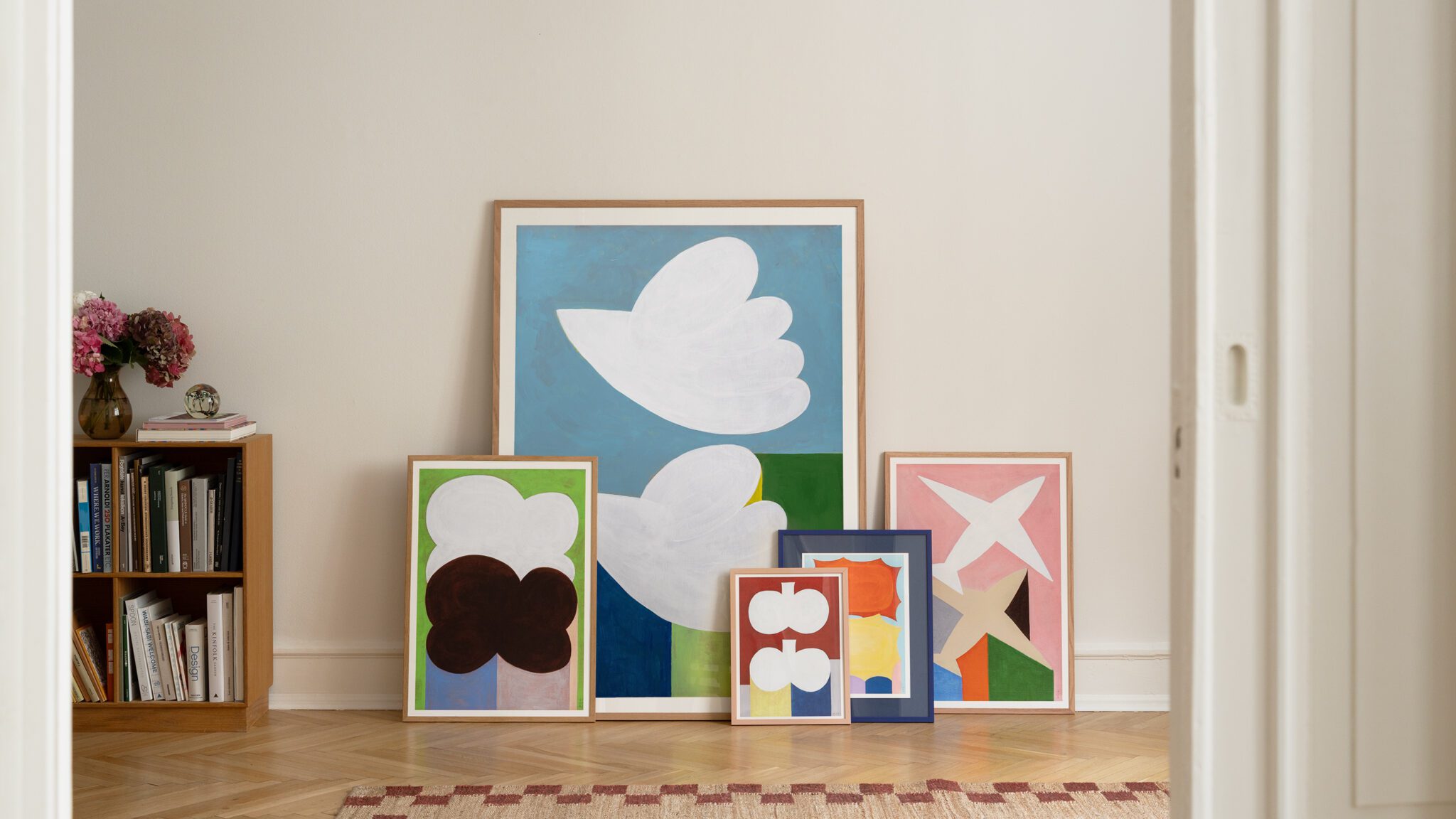
A slim oak frame is a timeless option that suits a wide variety of prints and interiors. While it may feel like the safe choice, it’s one made for longevity. And if your taste shifts, a simple layer of paint can transform the frame – and give your artwork an entirely new expression.
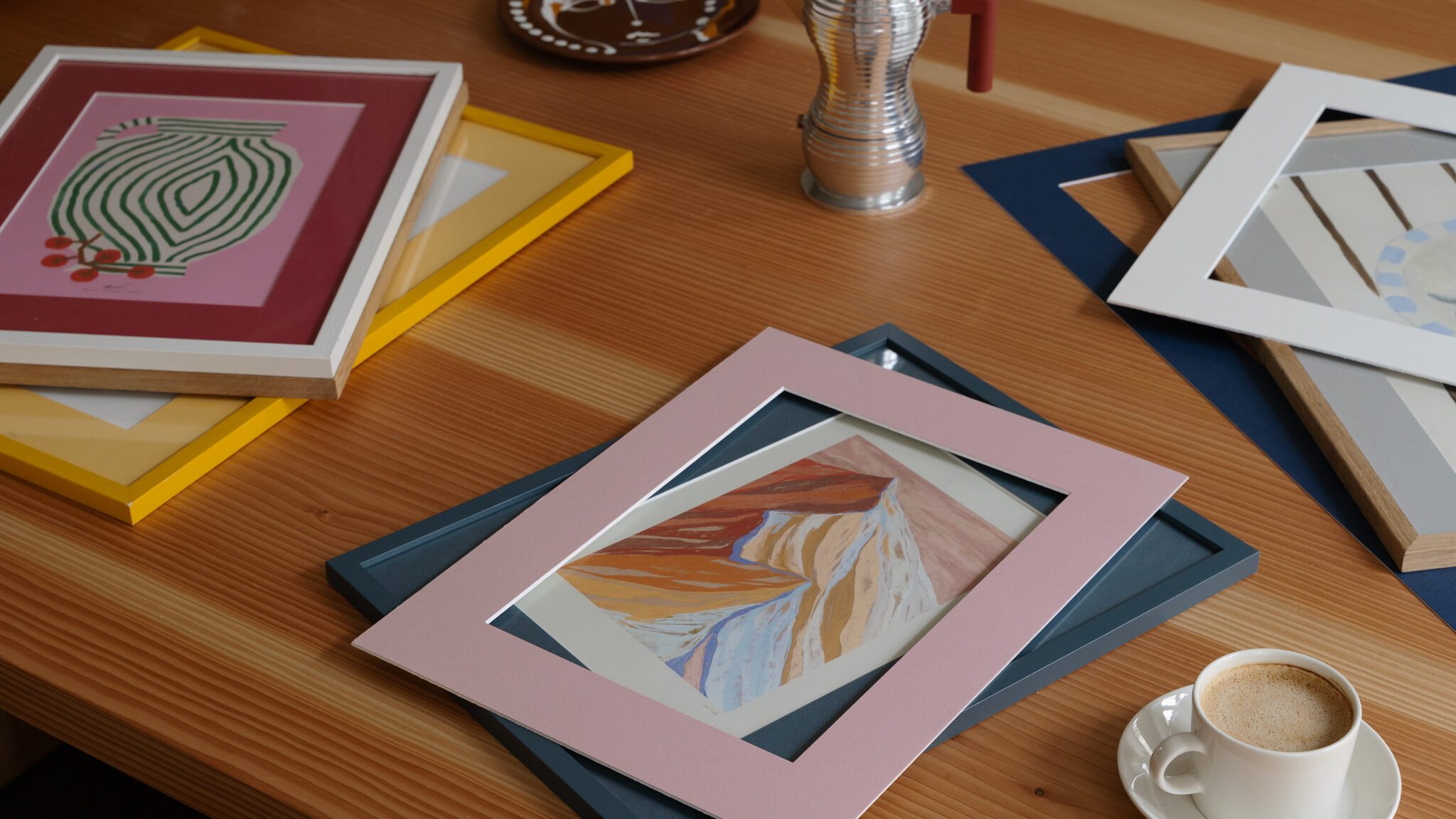
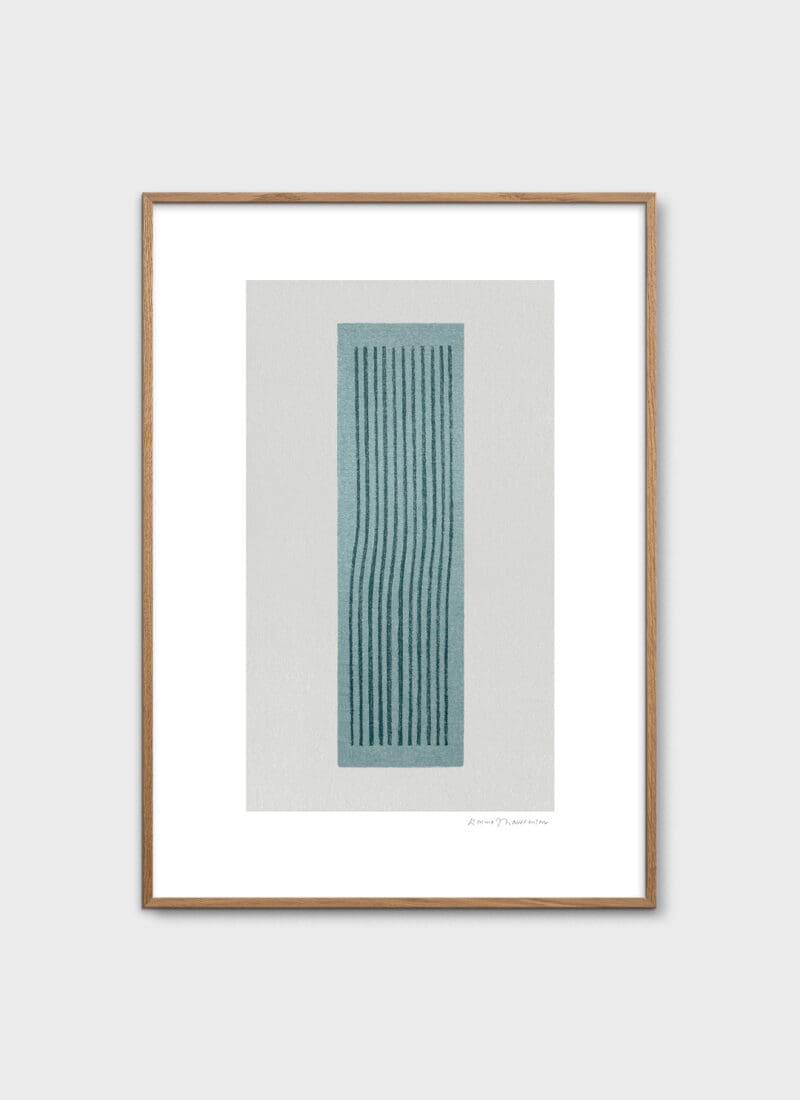
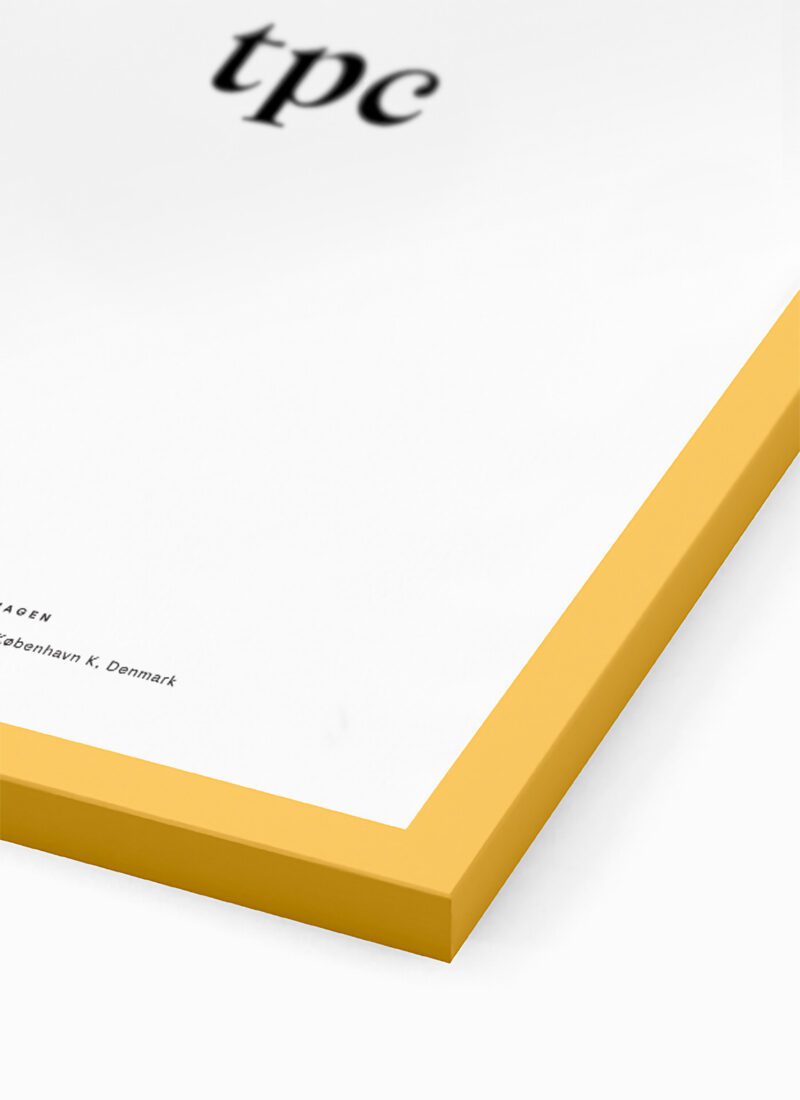
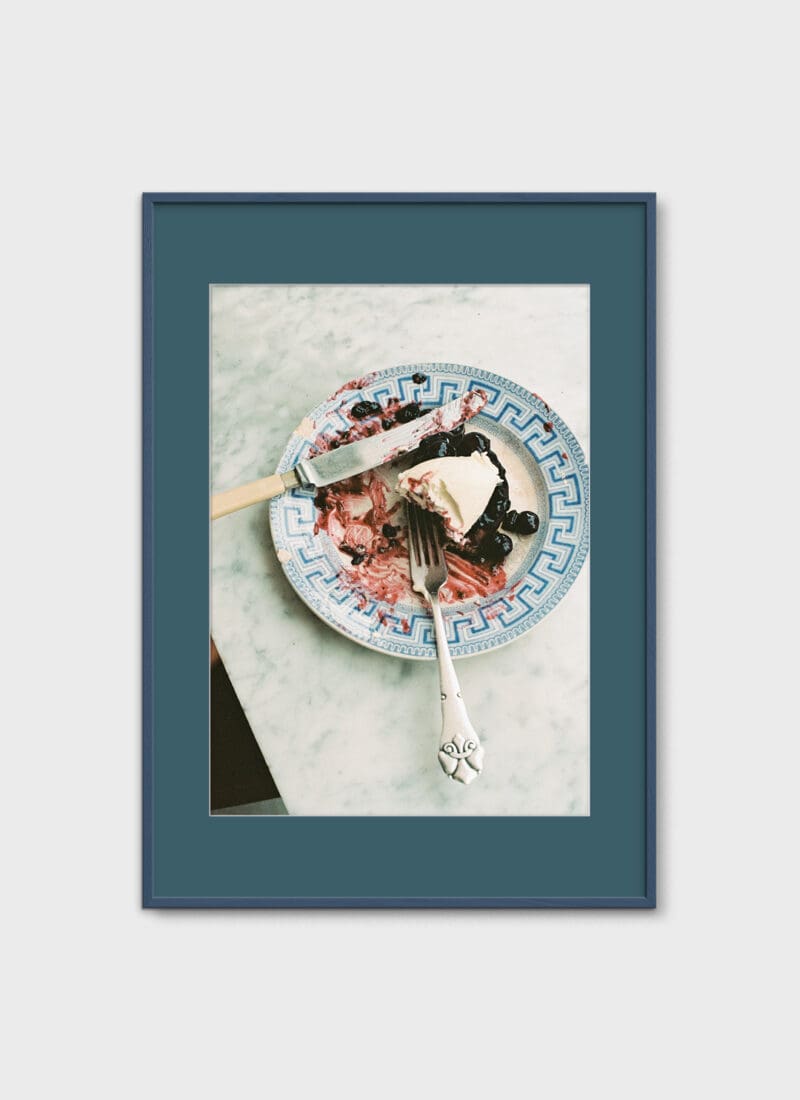
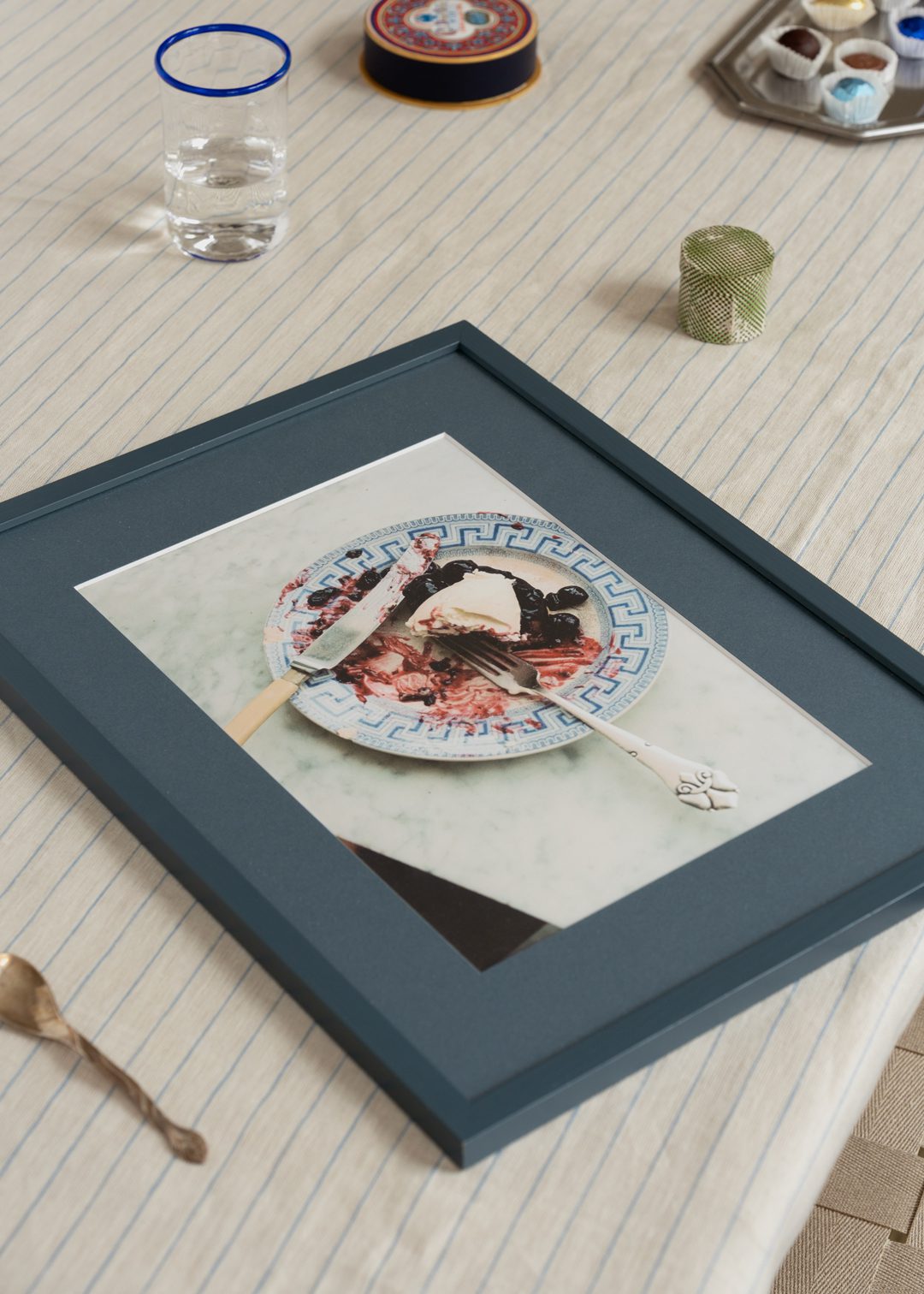
A passepartout can elevate an art print from simple to gallery-worthy. It adds breathing space around the artwork, helping to draw the eye inward and give the composition more presence. Opt for a classic white passepartout for a crisp, refined look – or introduce contrast by pairing a coloured one with a matching or complementary frame. This can be especially effective if you want to echo a tone within the artwork itself.
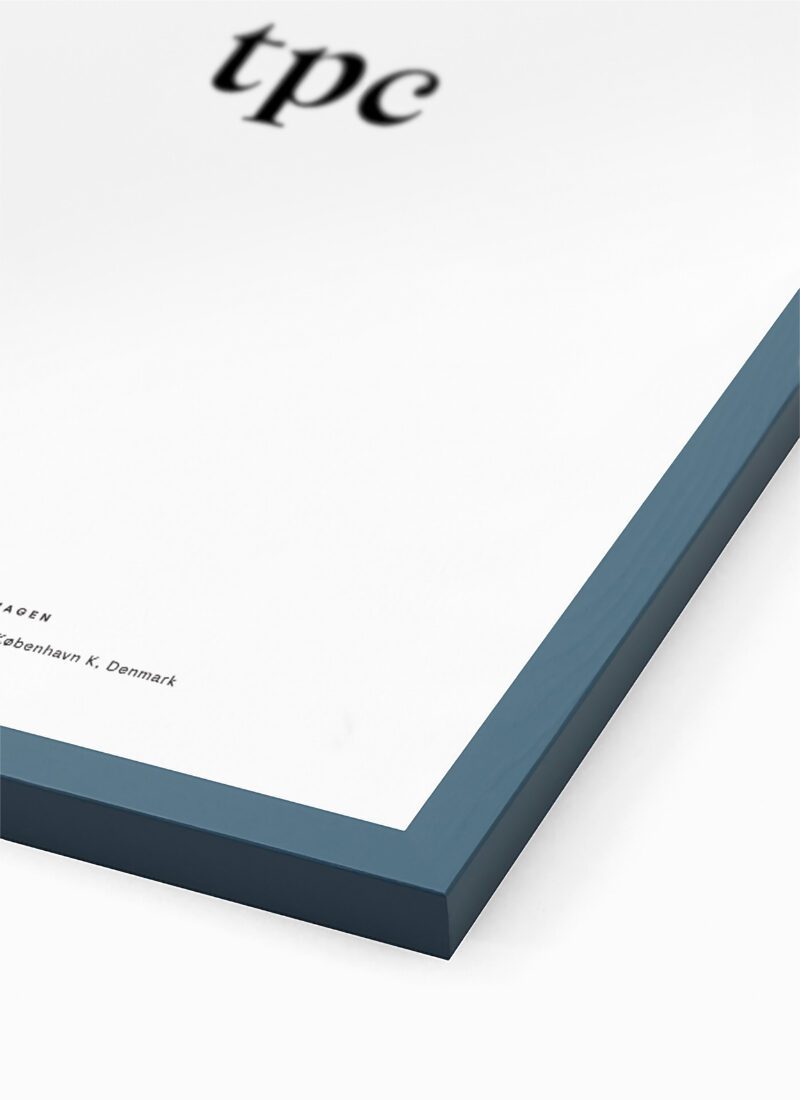
No matter your style, always choose high-quality framing materials. Passepartouts should be acid-free to preserve the art over time. And while glass is the traditional choice, acrylic can be a better option for larger frames, offering durability with less weight – ideal for prints in 50 × 70 cm or larger.
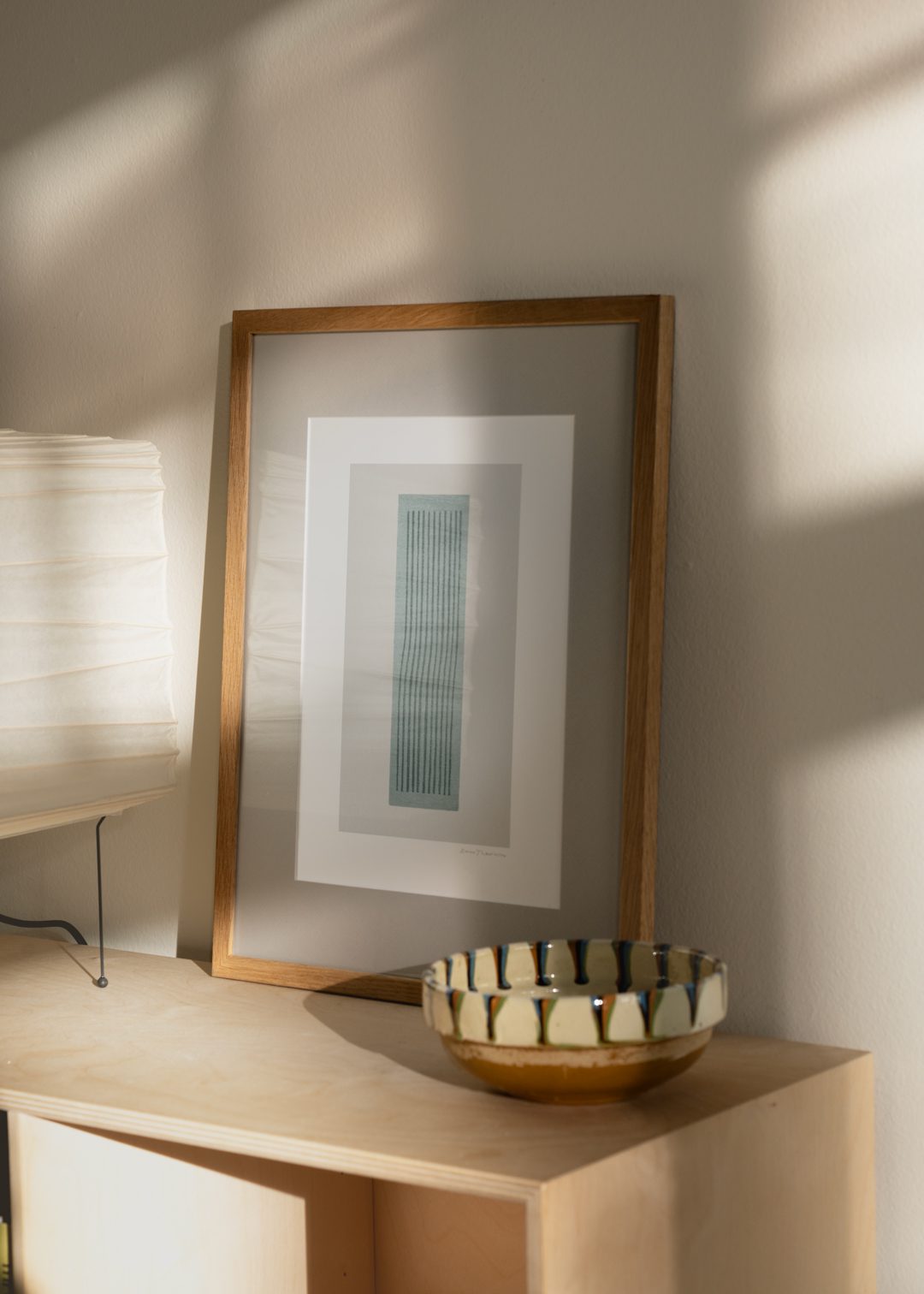
STYLING TIP Try adding a passepartout for a gallery-like expression. Choose classic white for a crisp finish – or experiment with bold colours to contrast or match your print, adding depth and visual focus.
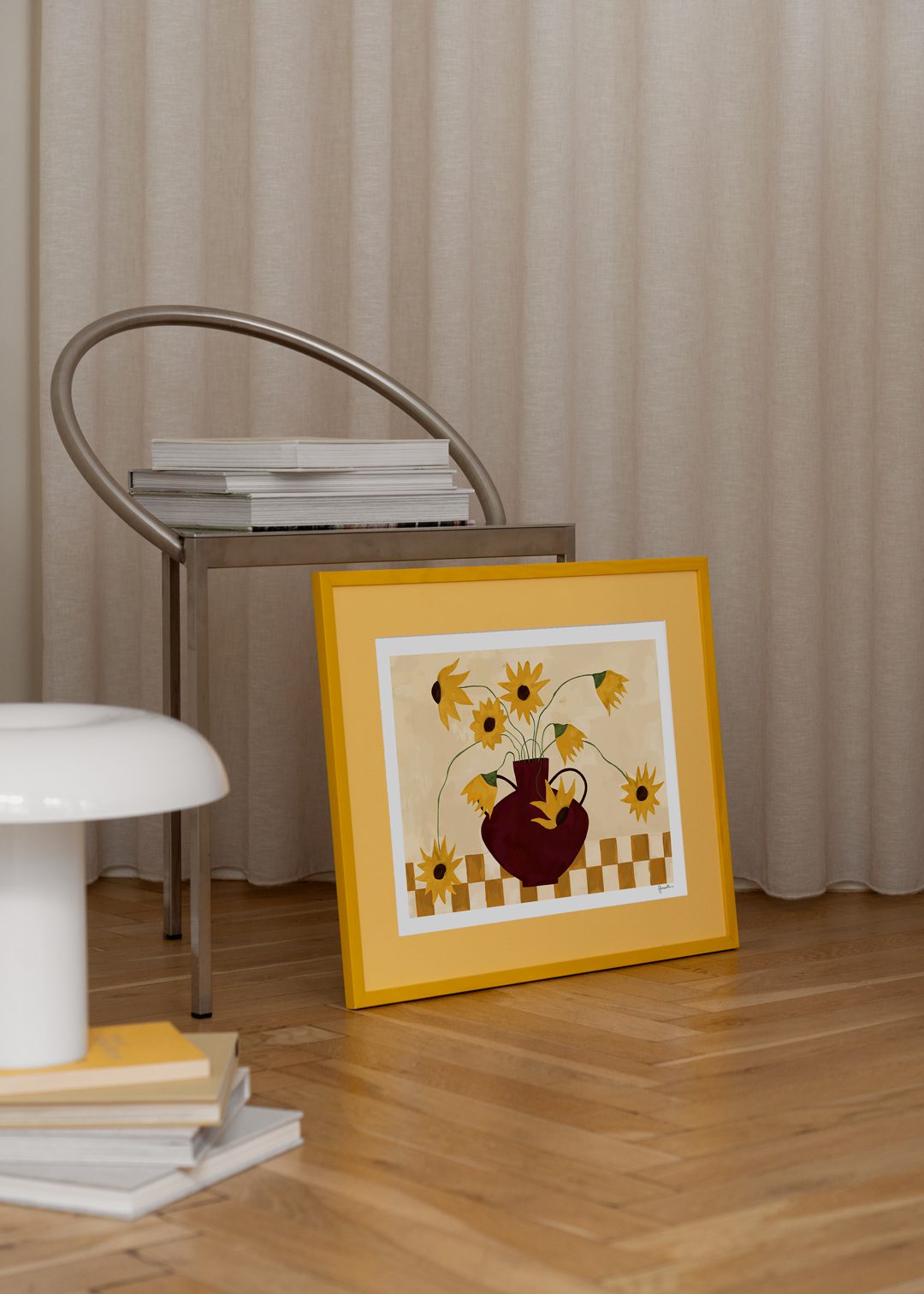
A Matter Of Trust
Even as the art piece has been mounted and framed to perfection – the question of where to hang it still remains. For renters and homeowners alike, the thought of hammering a nail into the wall, only to realise it is not the right place, can be quite daunting. However, taking too long to think about the placement of your art – especially if you have a growing collection – can leave you with nothing on the walls for years.
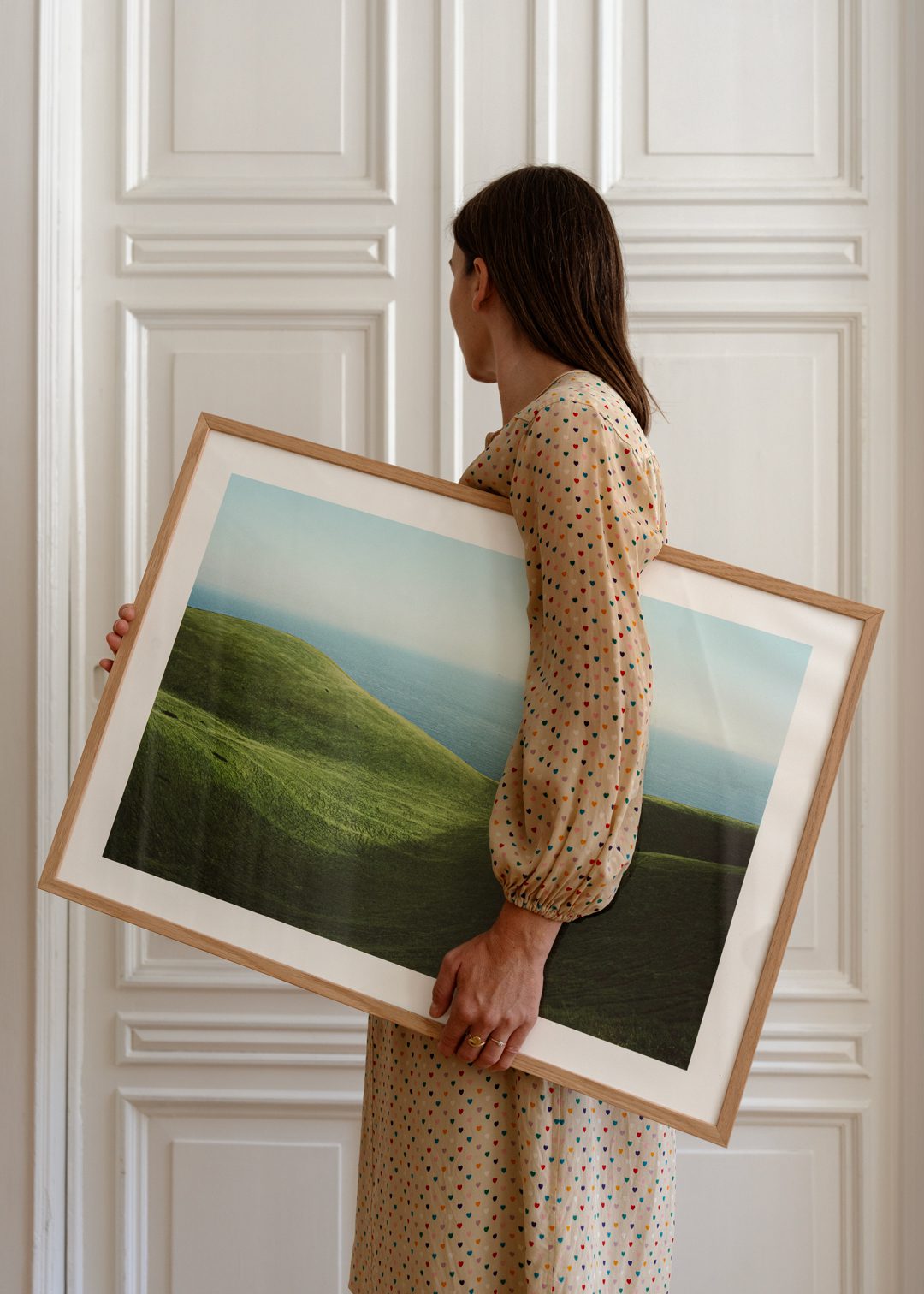
To help the process along, we offer to frame your art prints when you buy a matching frame. This means that you will receive your art print framed and ready to be hung in your home.
As a rule of thumb, it is a museum standard to hang artworks in human eyesight: Which is approximately 1,5 meters from the floor. But we want to encourage you to push the boundaries of the placement of your art. Hang bigger pieces on small walls or place a smaller piece of art slightly off-centre of a piece of furniture to attract attention.
In short, trust your instinct and try not to fret about long term placements. Playing around with your collection, arranging and rearranging it over the years is part of the joy of having an art collection in the first place.
If you are looking for inspiration and tips on how to create an art wall, we have created a simple step-by-step guide that makes creating an art wall easy and enjoyable.
A Place In The Sun
One thing to take into consideration when deciding where to place your artwork is the material of the piece and the amount of natural light it will be exposed to.
In the matter of art prints, giclée is a printing technique using pigments rather than soluble dyes. This not only gives a greater diversity in colours and shades, but it also means that a giclée print generally will last for longer. This means that if your giclée piece is framed using acid-free paper and mounting, it will last for years – maybe even decades – even if it is hung in the sunlight.
STYLING TIP Choose high-quality framing and acid-free materials to help your artwork stand the test of time – even in a bright, sunlit room.
Featured items