


Ana Frois
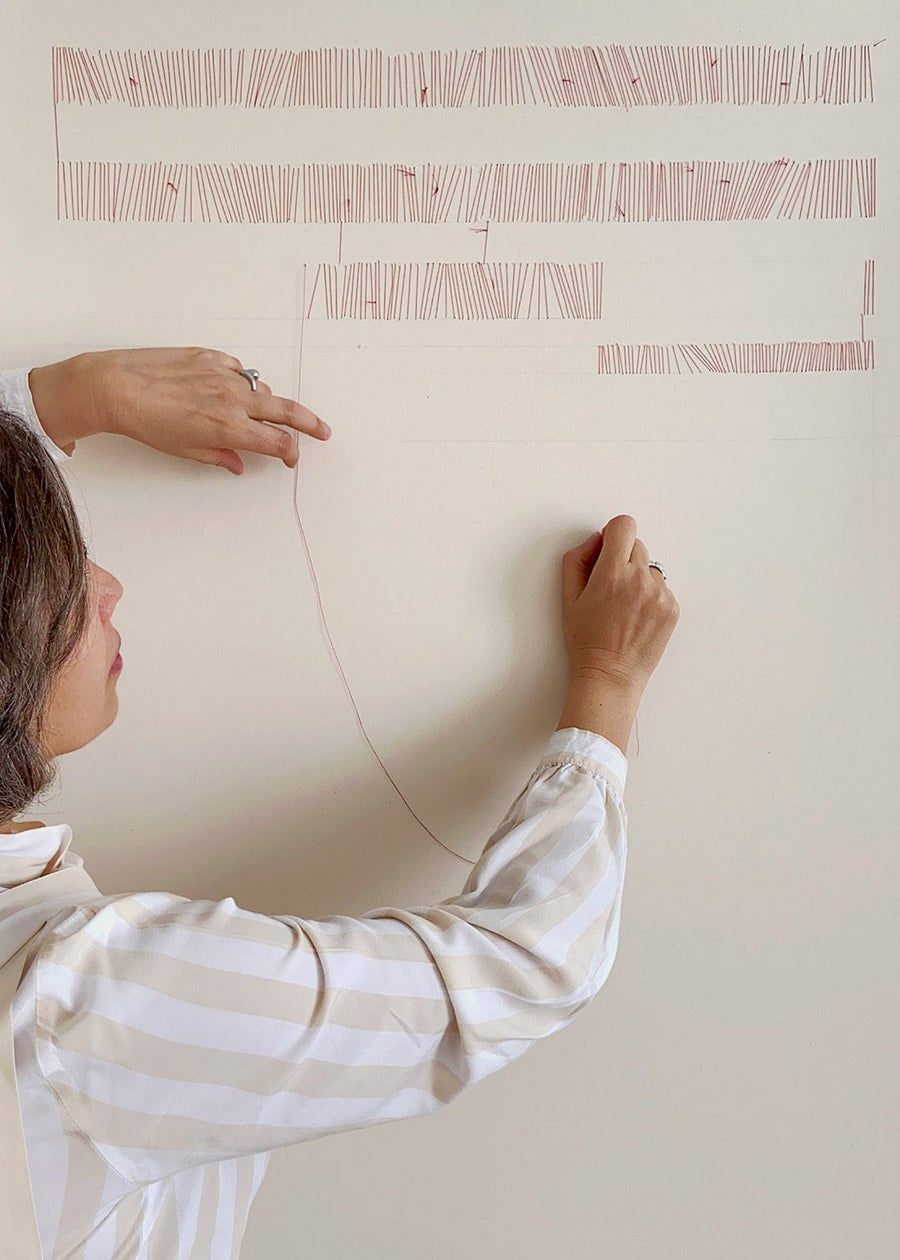
Portugal-based artist Ana Frois spent more than a decade working as an architect before turning to drawing and visual arts. She is drawn to reflections and duplications, exploring ideas of the home, the passage of time and the transformations of nature, with a keen eye for overlooked shapes and structures. Her prints depict everyday interior objects and abstract forms. Fond of aged paper and old books, she has lately made larger drawings sewn in red thread. Originally from the village of Coja, she works from a quiet studio in Coimbra.
All works by Ana Frois
See more of the artist's vision, from striking compositions to intimate details, all ready to live in your space.


Canvas


Canvas


Bestseller


Curator's Pick


About Ana Frois
After more than a decade of working as an architect, Portugal-based artist Ana Frois shifted her path to drawing and visual arts and is now working as an artist. “I do art because I want to make a record of how I see things. I am interested in reflections and duplications.”
She explores the ideas of the home, the passage of time and the transformations of nature. Her keen eye is set on shapes and structures that may otherwise have been overlooked. This is evident in her art prints that depict both everyday interior objects and mesmerising abstract forms. “For me, the main thing is to pay attention. To simply look around.”
Ana works with all kinds of paper, both new and old, but has a partiality towards the old and worn: “I enjoy very much working with aged paper and old books, which I am kind of addicted to,” she says. Lately, she has been working on a series of bigger drawings, where she uses red thread to create her pieces — actually sewing the motif instead of drawing it with a pencil.

A place to grow
Ana originates from a small village named Coja, located in the central part of Portugal. It is situated in a mountain area called Serra do Açor. Although she does not live there anymore, she often returns on the weekends, to visit her family home.
During the summer holiday, she also comes there to work. However, she mainly works from her small study in the city of Coimbra where she currently lives. The studio came upon her by chance, but was a welcome opportunity for Ana as her creative practice grew. “The studio is just a small room with faded pink walls and pine wood floors. It is a very quiet place in a nice neighbourhood, where I can be by myself with nothing to distract me. Or, if I am tired, I can take a break and go for a cup of coffee at the nearby cafe.”
Discover Art By Other Artists
Explore art from a wide range of artists, discover new arrivals, browse bestsellers, and see our curated picks.


Canvas


Bestseller


New Arrival
Curator's Pick


Canvas


Canvas


Canvas


Bestseller


Curator's Pick
Canvas


Bestseller


Curator's Pick


New Arrival


Canvas


Canvas


Canvas


Bestseller


Bestseller


Bestseller


Canvas